Category: All

  • How Global Construction Innovations Are Transforming Kenya – Opportunities for Investors

    How Global Construction Innovations Are Transforming Kenya – Opportunities for Investors

    Imagine building a modern, durable home in Nairobi in half the time. This is no longer a dream; it is the reality that global construction innovations enable today. Consequently, for Kenyan developers, the opportunity to embrace modular homes and 3D printing has never been greater.

    1. Modular & Prefabricated Construction

    Modular and Prefabricated Construction
    Modular and Prefabricated Construction

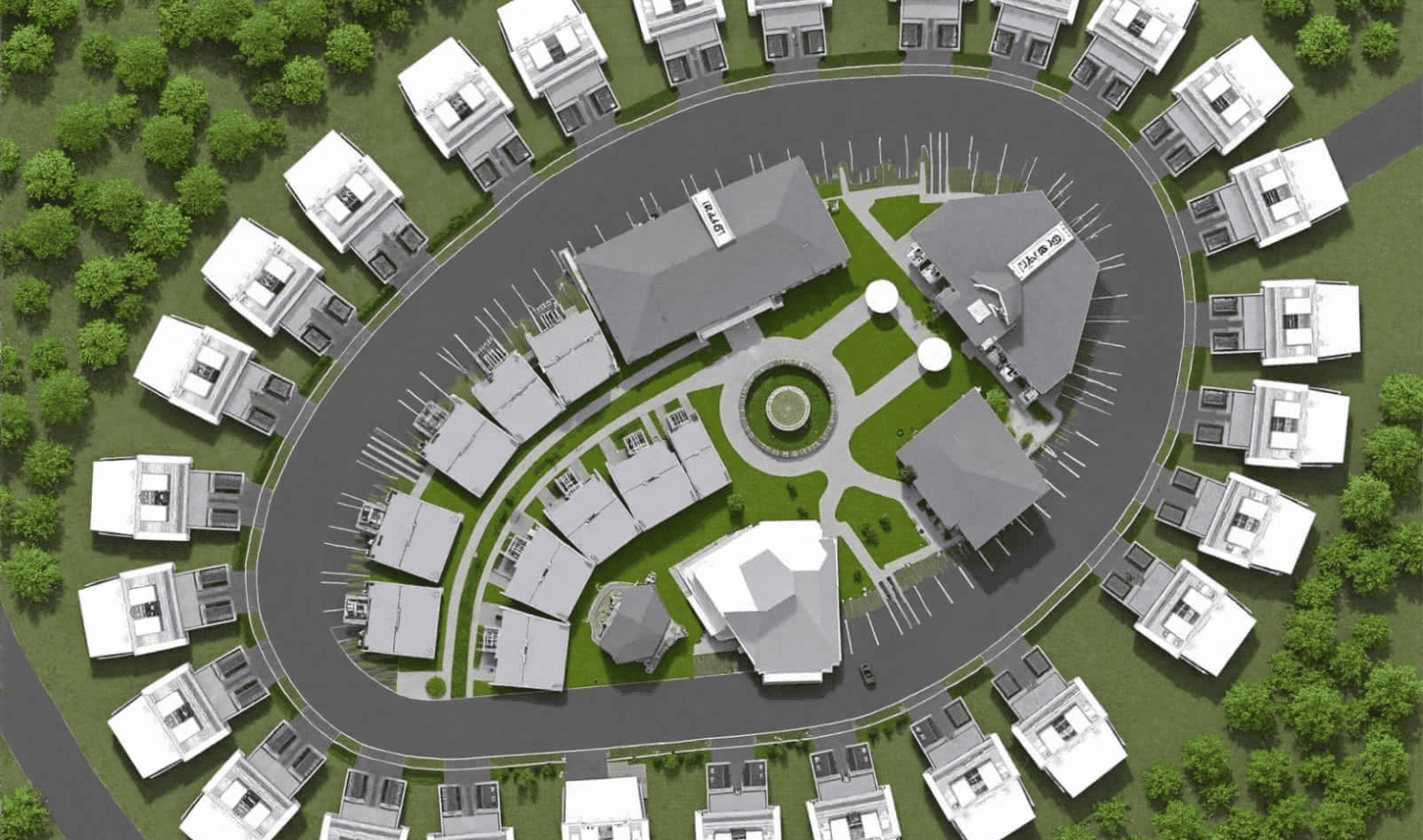
    Modular construction allows sections of a building to be manufactured off-site. Because these sections are assembled onsite, you reduce both construction time and labor costs.

    • Global Example: The UAE and China use modular techniques for rapid housing.

    • Kenya Opportunity: Modular prefab can reduce timelines and increase ROI for Nairobi investors.

    • Investor Insight: Faster completion and lower risk make modular building a high-return strategy.

    2. 3D Printing in Construction

    3D printing builds walls layer by layer using specialized concrete mixes. As a result, developers significantly reduce labor costs and material waste.

    • Global Success: In Mexico, 3D-printed homes are delivered in under 24 hours.

    • Kenya Potential: 3D printing can accelerate housing delivery in Nairobi and Mombasa.

    • Investor Advantage: Early adopters position themselves as leaders in affordable housing innovation.

    3. Smart Project Management & BIM

    Tools like Procore and BIM (Building Information Modeling) allow for real-time monitoring. Why does this matter? Most construction projects fail due to delays. However, smart tools improve planning and execution.

    • Kenya Context: Developers manage multiple projects while ensuring total accountability.

    • Investor Insight: Data-driven projects attract both local and international investors.

    4. Drones & Precision Site Technology

    Drones are now essential for surveying and monitoring progress. Furthermore, Kenya can adopt drones for urban projects to reduce human error. Consequently, investors benefit from more predictable timelines and better quality control.

    5. Integrating Global Innovations Locally

    Kenya does not need to replicate every global technology. Instead, we focus on practical innovations with real-world ROI:

    • Modular and prefabricated buildings.

    • 3D printing for affordable housing.

    • Smart project management systems.

    • Drone-assisted surveying and inspection.

    Conclusion: The Investor Takeaway

    Kenya is on the cusp of a construction transformation. By embracing these tools, developers deliver faster and reduce costs. The question for investors is clear: Will you be part of Kenya’s next construction revolution?

  • Top 5 Construction Trends in Kenya for 2025 | Smart Cities, Affordable Housing & Green Building

    Top 5 Construction Trends in Kenya for 2025 | Smart Cities, Affordable Housing & Green Building

    Introduction

    Construction Trends in Kenya industry is booming—reshaping skylines, creating jobs, and redefining how we live. With rapid urban growth, the government’s Affordable Housing Program (Ministry of Lands, Housing & Urban Development), and massive smart city projects, the sector has become one of the fastest-growing in Africa.

    Whether you’re a homeowner, investor, or contractor, keeping up with the latest construction trends in Kenya will help you make informed decisions and stay ahead in 2025.

    Here are the top 5 trends shaping Kenya’s construction industry.

    1. Green Building & Sustainable Construction

    Sustainability is no longer just a buzzword—it’s now at the center of modern construction in Kenya. Builders are embracing eco-friendly solutions such as:

    • Installing solar panels and using renewable energy.
    • Using recycled and locally sourced building materials.
    • Designing energy-efficient homes to cut down on electricity costs.
    • Introducing rainwater harvesting and water recycling systems.

    For homeowners, this means lower utility bills and maintenance costs. For investors, it increases property value since green-certified buildings attract more buyers and tenants.

    External Resources:

    • UNEP – Sustainable Buildings Initiative
    • Kenya Green Building Society (KGBS)
    • IFC Green Buildings
    1. Smart Technology in Construction 

    Technology is transforming the way buildings are designed and constructed across Kenya. Modern tools are helping contractors work more efficiently and deliver higher-quality results. For example:

    • Digital design systems (BIM) that improve project accuracy.
    • Drones that monitor construction sites and track progress.
    • 3D printing methods that allow for faster and cheaper prototypes.

    These advancements make construction quicker, more affordable, and less prone to mistakes, saving both time and money for developers and clients.

    External Resource: McKinsey – Future of Construction

    1. Modular & Prefabricated Housing 

    Kenya’s growing population has created a huge demand for affordable housing. One solution gaining traction is modular and prefabricated housing, which offers:

    • Faster completion of projects.
    • Reduced building costs.
    • Higher quality control.
    • Less waste at construction sites.

    From student hostels to family homes, modular housing is proving to be a cost-effective and sustainable way to meet the housing gap in Kenya.

    Internal Resource: Discover our Affordable Housing Solutions

    1. Public–Private Partnerships (PPPs) 

    The Kenyan government is increasingly partnering with private companies to deliver large-scale housing and infrastructure projects. These Public–Private Partnerships (PPPs) are driving progress in:

    • Affordable housing estates.
    • Roads, highways, and bridges.
    • Water and energy supply systems.
    • Schools, hospitals, and community facilities.

    For construction companies, PPPs mean consistent business opportunities and a chance to be part of projects that are transforming Kenya’s economy.

    External Resources:

    1. Green Building & Sustainable Construction 

    Sustainability is no longer just a buzzword—it’s now at the center of modern construction in Kenya. Builders are embracing eco-friendly solutions such as:

    • Installing solar panels and using renewable energy.
    • Using recycled and locally sourced building materials.
    • Designing energy-efficient homes to cut down on electricity costs.
    • Introducing rainwater harvesting and water recycling systems.

    For homeowners, this means lower utility bills and maintenance costs. For investors, it increases property value since green-certified buildings attract more buyers and tenants.

    External Resources:

    • UNEP – Sustainable Buildings Initiative
    • Kenya Green Building Society (KGBS)
    • IFC Green Buildings
    1. Smart Technology in Construction 

    Technology is transforming the way buildings are designed and constructed across Kenya. Modern tools are helping contractors work more efficiently and deliver higher-quality results. For example:

    • Digital design systems (BIM) that improve project accuracy.
    • Drones that monitor construction sites and track progress.
    • 3D printing methods that allow for faster and cheaper prototypes.

    These advancements make construction quicker, more affordable, and less prone to mistakes, saving both time and money for developers and clients.

    External Resource: McKinsey – Future of Construction

    1. Modular & Prefabricated Housing 

    Kenya’s growing population has created a huge demand for affordable housing. One solution gaining traction is modular and prefabricated housing, which offers:

    • Faster completion of projects.
    • Reduced building costs.
    • Higher quality control.
    • Less waste at construction sites.

    From student hostels to family homes, modular housing is proving to be a cost-effective and sustainable way to meet the housing gap in Kenya.

    Internal Resource: Discover our Affordable Housing Solutions

    1. Public–Private Partnerships (PPPs) 

    The Kenyan government is increasingly partnering with private companies to deliver large-scale housing and infrastructure projects. These Public–Private Partnerships (PPPs) are driving progress in:

    • Affordable housing estates.
    • Roads, highways, and bridges.
    • Water and energy supply systems.
    • Schools, hospitals, and community facilities.

    For construction companies, PPPs mean consistent business opportunities and a chance to be part of projects that are transforming Kenya’s economy.

    External Resources:

  • Choosing the Right Contractor in Nairobi: 2025 Guide

    Choosing the Right Contractor in Nairobi: 2025 Guide

    Choose the right contractor in Nairobi in 2025. Discover key tips to avoid costly mistakes and ensure your construction project succeeds.

    Introduction

    Your contractor can make or break your project. In Nairobi’s fast-growing real estate market, choosing the right contractor determines whether you’ll enjoy a smooth, high-quality build — or face endless delays, hidden costs, and poor workmanship.

    At Pawil Ventures Ltd, we’ve seen the risks homeowners and developers face when they don’t carefully vet contractors. Here’s a clear 2025 guide to help you make an informed choice.

    Verify Registration & Licensing

    • Ensure the contractor is registered with the National Construction Authority (NCA)
    • Ask for their NCA category to confirm they’re licensed to handle the size of your project
    • A legitimate contractor will also have valid tax compliance and insurance cover

    Check Experience & Past Projects

    • Request a portfolio of completed works similar to your project
    • Visit ongoing or past sites to assess workmanship, timelines, and finishing quality
    • Established contractors usually have references from satisfied clients

    Evaluate Communication & Professionalism

    • A good contractor is transparent, responsive, and willing to answer all your questions
    • They should involve you in budgeting, design, and planning from the start
    • Poor communication early on is often a red flag for bigger issues later

    Insist on a Written Contract

    • The contract should clearly state:
      • Scope of work
      • Timeline
      • Payment schedule
      • Materials to be used
      • Dispute resolution terms
    • Avoid verbal agreements at all costs — they lead to misunderstandings.

    Demand Detailed Cost Estimates

    • Ask for a Bill of Quantities (BQ) from a qualified Quantity Surveyor.
    • Ensure the contractor provides transparent breakdowns of materials, labor, and overheads.
    • Beware of extremely low quotes — they often hide shortcuts or future cost escalations.

    Verify Registration & Licensing

    • Ensure the contractor is registered with the National Construction Authority (NCA).
    • Ask for their NCA category to confirm they’re licensed to handle the size of your project.
    • A legitimate contractor will also have valid tax compliance and insurance cover.

    Check Experience & Past Projects

    • Request a portfolio of completed works similar to your project.
    • Visit ongoing or past sites to assess workmanship, timelines, and finishing quality.
    • Established contractors usually have references from satisfied clients.

    Evaluate Communication & Professionalism

    • A good contractor is transparent, responsive, and willing to answer all your questions.
    • They should involve you in budgeting, design, and planning from the start.
    • Poor communication early on is often a red flag for bigger issues later.

    Insist on a Written Contract

    • The contract should clearly state:
      • Scope of work
      • Timeline
      • Payment schedule
      • Materials to be used
      • Dispute resolution terms
    • Avoid verbal agreements at all costs — they lead to misunderstandings.

    Demand Detailed Cost Estimates

    • Ask for a Bill of Quantities (BQ) from a qualified Quantity Surveyor.
    • Ensure the contractor provides transparent breakdowns of materials, labor, and overheads.
    • Beware of extremely low quotes — they often hide shortcuts or future cost escalations.

    Contact   Pawil Venture LTD today at  or visit to request a quotation and choose your right contactor

  • What is a Bill of Quantities – BOQ?

    What is a Bill of Quantities – BOQ?

    A Bill of Quantities is a detailed document that breaks down all labour, materials, and costs required to complete your construction project

    It serves as:

    • A budgeting tool – helping you see where every shilling goes.
    • A transparency record – ensuring fair pricing and accountability.
    • A progress tracker – making sure you only pay for work done.

    Simply put, your BOQ is the financial blueprint of your build

    What’s Inside Your BOQ?

    A professional BOQ is neatly structured into sections so you can track each stage of your project

    • Preliminaries – Water, electricity, permits, insurance, and site setup.
    • Substructure – Foundations, concrete works, reinforcements, and excavation.
    • Superstructure – Slabs, roofing, columns, beams, and walls.
    • Finishes – Ceilings, plastering, painting, and tiling.
    • Services – Plumbing, electrical, and drainage systems.
    • External Works – Fencing, gates, landscaping, and driveways.
    • Cost Summary – Subtotals, VAT, contingency, and the total project cost.

    How to Use Your BOQ Effectively

    Your BOQ isn’t just a static document — it’s a working tool. Here’s how to make the most of it:

    • Ask Questions – If you don’t understand an item or material listed, get clarification before work starts.
    • Monitor Progress – Regularly compare site work against billed items to ensure accuracy.
    • Review Modifications – Any design change could impact your costs. Always update your BOQ accordingly.

    Pawil Ventures Tip:

    A well-prepared BOQ can save you from unexpected expenses and disputes with contractors. It’s your roadmap to a smooth, well-managed project.

    Ready to build with confidence?

    Let Pawil Ventures Limited prepare a professional BOQ for your next project.

    Contact   Pawil Venture LTD today at   or visit   to request a quotation for quality construction services

  • 5 Things to Know Before Hiring a Contractor

    5 Things to Know Before Hiring a Contractor

    5 Things to Know Before Hiring a Contractor in Kenya

    Hiring a contractor in Kenya is one of the most important decisions you will make when building, renovating, or managing a commercial project. At Pawil Ventures Ltd, we’ve seen how the right contractor ensures quality workmanship, timeliness, and cost-effectiveness, while the wrong choice can lead to delays, budget overruns, and frustration.

    Below are the five essential things you should check before hiring a contractor in Kenya.

    1. Verify Licensing & Insurance

    Before signing any agreement, confirm your contractor has the required certifications, permits, and insurance coverage. This step protects you legally and financially throughout the project.

    What to Check:

    • A valid contractor’s license in Kenya
    • General liability insurance (covers property damage)
    • Workers’ compensation insurance (covers on-site injuries)

    Why it matters: Without proper licensing and insurance, you could be personally liable for accidents, injuries, or damages during construction. You can verify registration details on the National Construction Authority Kenya portal.

    2. Experience & Reputation Matter

    A contractor’s history is more telling than promises. Always verify their track record before committing.

    How to Verify:

    • Read reviews on Google, Facebook, or LinkedIn
    • Request references from past clients
    • Review their portfolio of completed projects

    Red Flags:

    • Many negative reviews across platforms
    • No evidence of past work or portfolio
    • Unwillingness to provide references

    3. Always Get a Written Contract

    Verbal agreements are risky and often lead to disputes. A clear, written contract protects both parties and sets expectations.

    Your Contract Should Include:

    • Detailed scope of work and project timeline
    • Cost breakdown (materials, labour, fees)
    • Payment schedule (avoid paying 100% upfront)
    • Warranty details and dispute resolution terms

    Pro tip: Avoid contractors who request large upfront payments — this can indicate cashflow or reliability issues.

    4. Understand Payment Terms

    Professional contractors offer transparent and structured payment schedules to reduce risk for both parties.

    Standard Payment Structure:

    • 10–30% deposit before work commences
    • Milestone payments tied to project progress
    • Final payment after completion and inspection

    Warning Signs:

    • Requests for full payment before starting
    • No written cost estimate
    • Frequent “extra” charges without justification

    5. Communication Is Key

    Strong communication prevents delays, misunderstandings, and costly mistakes. Therefore, set expectations early about how you’ll be updated.

    Before Hiring, Ask:

    • Their preferred communication method (email, phone, site meetings)
    • Who will be your main point of contact
    • How often you will receive progress updates

    Red flag: If they’re difficult to reach before signing, expect more communication issues later.

    Why Choose Pawil Ventures Ltd?

    At Pawil Ventures Ltd, we deliver high-quality construction services in Nairobi, civil engineering, and project management. In addition, we combine transparency, craftsmanship, and clear communication to bring your vision to life — on time and within budget.

    Conclusion

    Choosing the right contractor in Kenya requires careful verification, clear contracts, sensible payment terms, and strong communication. By following the five steps above, you protect your investment and reduce the risk of costly problems.

    Ready to start your next building or renovation project? Contact Pawil Ventures Ltd today to discuss your needs and get a reliable quote. Request a consultation or call us to get started.

  • Steel Structures: Shaping the Future of Construction

    Steel Structures: Shaping the Future of Construction

    The Future of Construction: Why Steel Structures Are Revolutionizing the Industry

    The construction industry is constantly evolving, driven by the need for innovation, sustainability, and efficiency. One material that has stood the test of time and continues to shape the future of construction is steel. Steel structures offer numerous advantages that make them the go-to choice for modern construction projects, from residential buildings to large-scale infrastructure. In this blog, we’ll dive into why steel is revolutionizing the industry and why it’s the future of construction.

    1. Durability and Strength: Built to Last
      • Steel structures are known for their remarkable durability and strength. Unlike other materials that may weaken over time, steel maintains its integrity under stress, making it ideal for both low-rise and high-rise buildings, bridges, and other infrastructure. Steel can withstand extreme conditions, from heavy winds to the weight of large structures, ensuring that the foundation of your project remains solid for decades.
      •  
      • For example, steel’s high tensile strength allows it to endure even in the most demanding applications, whether it’s supporting the framework of a skyscraper or a bridge that must carry heavy traffic loads. This makes steel a dependable and long-lasting option for nearly any construction project.
    2. Cost-Effectiveness: Saving in the Long Run
      • While steel may have a higher initial cost compared to other materials, its long-term cost-effectiveness far outweighs the upfront expense. Steel’s durability means that structures require less maintenance, resulting in fewer repairs and longer lifespans. This reduces ongoing costs significantly, making steel a smart investment for commercial and industrial projects.
      •  
      • Additionally, because steel is prefabricated in controlled environments, it minimizes labor costs during construction. The time saved on-site, combined with the reduced need for maintenance, makes steel a cost-effective choice over the entire lifespan of a building or structure.
    3. Sustainability: Eco-Friendly Construction
      • In an age where sustainability is key, steel rises to the occasion. Steel is a 100% recyclable material, and when structures are demolished, steel can be repurposed for new projects without compromising its quality. This makes steel a highly sustainable choice for construction projects, reducing the need for raw materials and minimizing waste.
      •  
      • Moreover, using steel in construction contributes to greener building practices. Steel’s longevity means fewer resources are consumed in repairs and replacements, and energy-efficient steel buildings can be constructed with better insulation properties, reducing energy consumption.
    4. Design Flexibility: Pushing the Boundaries of Architecture
      • One of the most exciting aspects of steel is its ability to offer design flexibility. Steel can be molded and shaped into virtually any form, allowing architects and engineers to create innovative and complex structures that would be difficult or impossible with traditional materials.
      •  
      • From open floor plans in modern buildings to the intricate shapes of bridges, steel allows for vast spans and unique designs. It’s especially useful in high-rise construction, where steel’s lightness and strength enable buildings to soar without compromising structural integrity. This versatility in design makes steel the material of choice for ambitious, cutting-edge projects.
    5. Seismic & Safety Benefits: Built for Tough Conditions
      • Steel’s resilience to natural disasters is another reason why it is a preferred choice for construction. Steel structures are incredibly resistant to earthquakes, hurricanes, and other extreme weather conditions, making them safer than traditional building materials. Steel’s flexibility allows it to absorb and dissipate seismic forces without cracking or collapsing, which is critical in regions prone to earthquakes.
      • In addition to its seismic resistance, steel also offers fire resistance, making it a safer option for buildings that need to adhere to strict fire safety codes. Steel structures can be designed to withstand high temperatures, providing an added layer of protection to both the building and its occupants.
    6. Innovative Applications: Steel in Modern Projects
      • Steel is no longer just limited to utilitarian buildings or bridges. It has become a go-to material for iconic, innovative projects across the globe. Take, for example, the towering skyscrapers of today. Steel is the backbone of these architectural marvels, enabling them to reach unprecedented heights while maintaining structural stability.
      •  
      • Steel is also used in a variety of other creative applications, such as sports stadiums, sculptures, and even public art installations. The versatility of steel is not just in its structural capabilities but also in its aesthetic appeal. Its sleek, modern look can be incorporated into nearly any design, contributing to both form and function.
      •  
      • For instance, iconic structures like the Burj Khalifa in Dubai, the Golden Gate Bridge in San Francisco, and the Sydney Opera House are all prime examples of steel’s role in pushing architectural boundaries and creating globally recognized landmarks.

    Conclusion: Steel – The Foundation of Tomorrow’s Construction
    Steel’s role in shaping the future of construction is undeniable. From its strength and durability to its sustainability and design flexibility, steel offers everything that modern construction projects demand. Whether you’re building a skyscraper, a bridge, or a sustainable home, steel provides the reliability, versatility, and cost-effectiveness you need.

    As the construction industry continues to innovate, steel will remain at the forefront, driving the development of safer, more efficient, and aesthetically impressive structures for years to come.

    Ready to build with steel? Explore our steel structure solutions and see how we can help turn your vision into reality.

    Contact   Pawil Venture LTD today at or visit to request a quotation