The Future of Construction: Why Steel Structures Are Revolutionizing the Industry
The construction industry is constantly evolving, driven by the need for innovation, sustainability, and efficiency. One material that has stood the test of time and continues to shape the future of construction is steel. Steel structures offer numerous advantages that make them the go-to choice for modern construction projects, from residential buildings to large-scale infrastructure. In this blog, we’ll dive into why steel is revolutionizing the industry and why it’s the future of construction.
- Durability and Strength: Built to Last
- Steel structures are known for their remarkable durability and strength. Unlike other materials that may weaken over time, steel maintains its integrity under stress, making it ideal for both low-rise and high-rise buildings, bridges, and other infrastructure. Steel can withstand extreme conditions, from heavy winds to the weight of large structures, ensuring that the foundation of your project remains solid for decades.
- For example, steel’s high tensile strength allows it to endure even in the most demanding applications, whether it’s supporting the framework of a skyscraper or a bridge that must carry heavy traffic loads. This makes steel a dependable and long-lasting option for nearly any construction project.
- Cost-Effectiveness: Saving in the Long Run
- While steel may have a higher initial cost compared to other materials, its long-term cost-effectiveness far outweighs the upfront expense. Steel’s durability means that structures require less maintenance, resulting in fewer repairs and longer lifespans. This reduces ongoing costs significantly, making steel a smart investment for commercial and industrial projects.
- Additionally, because steel is prefabricated in controlled environments, it minimizes labor costs during construction. The time saved on-site, combined with the reduced need for maintenance, makes steel a cost-effective choice over the entire lifespan of a building or structure.
- Sustainability: Eco-Friendly Construction
- In an age where sustainability is key, steel rises to the occasion. Steel is a 100% recyclable material, and when structures are demolished, steel can be repurposed for new projects without compromising its quality. This makes steel a highly sustainable choice for construction projects, reducing the need for raw materials and minimizing waste.
- Moreover, using steel in construction contributes to greener building practices. Steel’s longevity means fewer resources are consumed in repairs and replacements, and energy-efficient steel buildings can be constructed with better insulation properties, reducing energy consumption.
- Design Flexibility: Pushing the Boundaries of Architecture
- One of the most exciting aspects of steel is its ability to offer design flexibility. Steel can be molded and shaped into virtually any form, allowing architects and engineers to create innovative and complex structures that would be difficult or impossible with traditional materials.
- From open floor plans in modern buildings to the intricate shapes of bridges, steel allows for vast spans and unique designs. It’s especially useful in high-rise construction, where steel’s lightness and strength enable buildings to soar without compromising structural integrity. This versatility in design makes steel the material of choice for ambitious, cutting-edge projects.
- Seismic & Safety Benefits: Built for Tough Conditions
- Steel’s resilience to natural disasters is another reason why it is a preferred choice for construction. Steel structures are incredibly resistant to earthquakes, hurricanes, and other extreme weather conditions, making them safer than traditional building materials. Steel’s flexibility allows it to absorb and dissipate seismic forces without cracking or collapsing, which is critical in regions prone to earthquakes.
- In addition to its seismic resistance, steel also offers fire resistance, making it a safer option for buildings that need to adhere to strict fire safety codes. Steel structures can be designed to withstand high temperatures, providing an added layer of protection to both the building and its occupants.
- Innovative Applications: Steel in Modern Projects
- Steel is no longer just limited to utilitarian buildings or bridges. It has become a go-to material for iconic, innovative projects across the globe. Take, for example, the towering skyscrapers of today. Steel is the backbone of these architectural marvels, enabling them to reach unprecedented heights while maintaining structural stability.
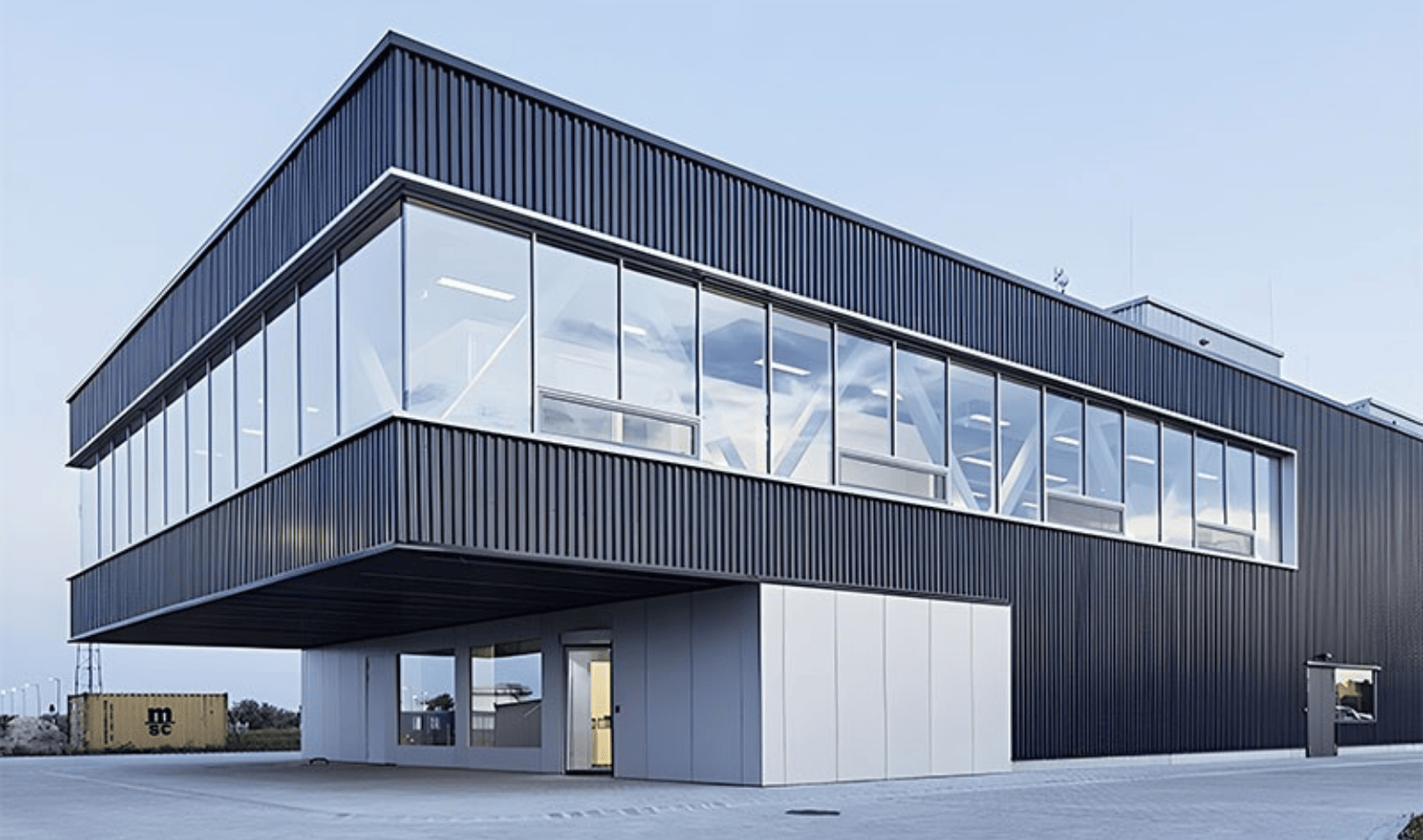
- Steel is also used in a variety of other creative applications, such as sports stadiums, sculptures, and even public art installations. The versatility of steel is not just in its structural capabilities but also in its aesthetic appeal. Its sleek, modern look can be incorporated into nearly any design, contributing to both form and function.
- For instance, iconic structures like the Burj Khalifa in Dubai, the Golden Gate Bridge in San Francisco, and the Sydney Opera House are all prime examples of steel’s role in pushing architectural boundaries and creating globally recognized landmarks.
Conclusion: Steel – The Foundation of Tomorrow’s Construction
Steel’s role in shaping the future of construction is undeniable. From its strength and durability to its sustainability and design flexibility, steel offers everything that modern construction projects demand. Whether you’re building a skyscraper, a bridge, or a sustainable home, steel provides the reliability, versatility, and cost-effectiveness you need.
As the construction industry continues to innovate, steel will remain at the forefront, driving the development of safer, more efficient, and aesthetically impressive structures for years to come.
Ready to build with steel? Explore our steel structure solutions and see how we can help turn your vision into reality.
Contact Pawil Venture LTD today at or visit to request a quotation