Author: Pawil_Admin

  • Interior Design in Nairobi: How Good Design Transforms Everyday Spaces

    Interior Design in Nairobi: How Good Design Transforms Everyday Spaces

    Interior design in Nairobi is no longer just a luxury, it has become a smart way to make homes, offices and commercial spaces feel fresh, functional and inspiring. Over time, even the most beautiful spaces can lose their charm colors fade, furniture feels outdated and layouts stop serving your needs effectively

    At Pawil Ventures Ltd, we specialize in transforming ordinary spaces into comfortable and stylish environments. Whether it’s a cozy home, a bustling office or a vibrant shop, our team focuses on creating interiors that reflect your personality while improving functionality, comfort and value

    Why Interior Design in Nairobi Matters

    A well designed space can completely change how you feel and interact with your environment. Many Nairobi properties were built years ago and often need updates to match modern lifestyles. With professional interior design from Pawil Ventures Ltd, you can:

    • Maximize comfort and usability for daily living
    • Enhance visual appeal and style
    • Use space more efficiently, especially in smaller apartments
    • Showcase personality and brand identity in commercial spaces
    • Boost focus, productivity and mood

    What to Expect from a Pawil Ventures Interior Design Project

    Successful interior design is more than furniture and colors. It begins with understanding your needs and lifestyle. Whether you are redesigning a single room or an entire building, Pawil Ventures Ltd ensures every step is clear and carefully planned

    Our projects focus on key areas that make a real difference in everyday life:

    • Home Interiors: Updating living rooms, kitchens, bedrooms and bathrooms to combine style, comfort and modern functionality
    • Office Spaces: Designing layouts, furniture and lighting that enhance focus, efficiency, and employee well-being
    • Commercial & Retail: Creating inviting shops, cafes and studios that attract customers and showcase your brand
    • Decor & Finishing Touches: Selecting colors, textures, lighting and art that reflect the client’s personality and vision

    Every project tells its own story. Some clients want modern minimalism, others prefer warmth and tradition. Pawil Ventures Ltd focuses on creating spaces that are not only functional but also a true reflection of the people who use them

    Why People Trust Pawil Ventures Ltd

    Experience, creativity and attention to detail set Pawil Ventures Ltd apart. We have helped homes and offices across Nairobi transform their spaces with solutions that balance practicality and beauty.

    Here’s what clients can expect:

    • Expert Designers: Professionals with skills to turn ideas into functional, stylish realities
    • High-Quality Materials: Durable, eco-friendly finishes that last
    • Timely Delivery: Projects completed efficiently without sacrificing quality
    • Client-Focused Process: Every decision shaped by your taste, needs and budget

    From apartments in Kilimani to offices in Westlands, we maintain consistent quality, creativity and safety throughout every project.

    Interior Design Trends in Nairobi Kenya

    Current trends focus on comfort, simplicity and cultural connection. Earthy tones, natural materials, indoor plants and minimal clutter help create calm and practical spaces. African-inspired décor, including Maasai fabrics, woven baskets and wooden furniture, adds personality and celebrates local craftsmanship.

    Pawil Ventures Ltd combines these trends with thoughtful planning so that each space feels timeless, practical and reflective of the client’s vision

    How Interior Design Improves Daily Life

    Interior design isn’t just about looks, it changes how people feel and behave. A peaceful bedroom improves rest. A functional kitchen makes cooking enjoyable. A well-planned office boosts productivity. Pawil Ventures Ltd prioritizes creating spaces that support lifestyle and well-being every day.

    Final Thoughts

    Interior design in Nairobi is about comfort, style and smarter living. With Pawil Ventures Ltd, clients gain spaces that inspire, function better and bring lasting value. Even simple changes, like improving lighting or furniture arrangement, can transform a space into a welcoming and practical environment.

    Start Your Interior Design Journey

    Thinking about updating your home or office? Pawil Ventures Ltd will guide you from concept to completion, making the process simple, creative and rewarding.

    Start today: Contact Us
    For inspiration, follow our projects on Facebook

  • Home Renovation in Kenya – Transform Your Space with Pawil Ventures Ltd

    Home Renovation in Kenya – Transform Your Space with Pawil Ventures Ltd

    Home renovation in Kenya has become one of the most effective ways for property owners to breathe new life into their spaces without starting from scratch. Over time, even the most beautiful buildings lose their shine. Walls fade, layouts feel outdated and rooms stop serving their purpose

    At Pawil Ventures Ltd, we deliver practical, affordable and high-quality renovation and alteration solutions that make old spaces look and feel brand new again. Whether it’s a home, office or commercial property our focus is on creating comfort, beauty and lasting value for every client

    Why Home Renovation in Kenya Matters

    A good renovation can completely change how a building feels and functions. Many Kenyan homes and offices were built years ago and need updates to match today’s lifestyles. With our renovation services in Kenya, you can:

    • Improve energy efficiency and comfort
    • Increase property value
    • Modernize design and layout
    • Fix structural or safety issues
    • Create a more welcoming environment for family, staff or customers

    What to Expect During a Home Renovation in Kenya

    A successful home renovation in Kenya requires more than tools and materials, it starts with a clear plan and the right guidance. If you’re renovating a single room or transforming an entire building, it helps to know what to expect at each stage

    At Pawil Ventures Ltd, we’ve seen how even small upgrades can make a big difference when done properly. Below are some key areas homeowners and businesses often focus on during renovation projects:

    • Home Remodeling: Updating kitchens, bathrooms and living areas to improve comfort and reflect modern design trends
    • Office and Commercial Spaces: Rethinking layouts, lighting and interior finishes to boost productivity and appeal
    • Building Alterations: Making safe structural changes like extensions or wall adjustments to create more functional spaces
    • Repairs and Upgrades: Handling essential fixes such as painting, plumbing and roofing to keep properties in top condition

    Each renovation project has its own story, some aim to restore character, others to achieve a fresh new look. Whatever your goal, good planning and expert craftsmanship make all the difference

    Why Home owners and Businesses Trust Pawil Ventures Ltd

    When it comes to home renovation in Kenya, experience and attention to detail matter. Over the years, Pawil Ventures Ltd has helped families and businesses across the country transform their spaces, combining practical solutions with creative design

    Here are a few things property owners can expect when working with us:

    • Skilled Professionals: Our team understands modern building standards and how to turn renovation plans into reality
    • Quality Materials: We prioritize durable, eco friendly materials that ensure long-lasting results
    • On-Time Projects: Renovations are completed efficiently without compromising quality
    • Client-Focused Approach: Every decision is guided by your vision, needs and budget

    If you’re planning a small home upgrade in Nairobi or a commercial remodeling project in Kisumu or Nakuru, we maintain the same high standards of safety, quality and innovation throughout

    Home Renovation in Kenya That Lasts

    A successful renovation is more than just aesthetics.  It’s about creating spaces that function better, feel welcoming and add long-term value. Our approach combines modern techniques with respect for your property’s original integrity, ensuring every upgrade is safe, durable and visually appealing

    Final Thoughts

    A well planned renovation is an investment that pays off for years to come. With Pawil Ventures Ltd, you’re not just renovating  you’re gaining expert guidance, honest communication and results that last

    Take the First Step Toward Your Dream Space

    Thinking about a home renovation in Kenya? Pawil Ventures Ltd can guide you from the initial concept to the final finishing touches, making the process simple, clear and rewarding.

    Start your renovation journey today: Contact Us
    For inspiration and updates, follow our projects on Facebook
  • Top Building Contractor in Nairobi, Kenya – Why Pawil Ventures Stands Out

    Top Building Contractor in Nairobi, Kenya – Why Pawil Ventures Stands Out

    Finding a building contractor in Nairobi, Kenya who combines professionalism, experience and reliability can be challenging. At Pawil Ventures Limited, we understand that construction is more than just bricks and cement. It’s about turning visions into strong, beautiful and lasting spaces. Whether it’s a family home, an office block, or a large-scale commercial project, our mission is to deliver excellence in every detail

    Who We Are

    Pawil Ventures Limited is a reputable construction company based in Nairobi, Kenya. We specialize in delivering high-quality construction services for residential, commercial and industrial clients. With a team of experienced engineers, project managers and craftsmen, we bring innovation and expertise to every project we undertake. Over the years, we have earned a reputation for quality workmanship, timely delivery and unmatched professionalism

    Our approach is rooted in transparency, communication and client satisfaction. From the initial consultation to the final handover, we ensure that every stage of your project is handled with precision and care. This commitment has positioned us among the most trusted building contractors in Nairobi and across Kenya

    Our Construction Services

    At Pawil Ventures Limited, we offer a wide range of construction and building services designed to meet diverse client needs. Our core services include:

    • Residential Construction: From modern homes to luxury villas, we design and build houses that reflect your lifestyle and taste. Our residential projects are known for their comfort, durability and attention to detail
    • Commercial Construction: We build commercial spaces such as office complexes, retail stores, and mixed-use developments. Each project is completed to the highest standard, ensuring functionality and visual appeal
    • Industrial Construction: We handle warehouse developments, manufacturing facilities, and factory setups built for efficiency, safety, and long-term performance.
    • Renovations and Remodeling: Whether upgrading a home or expanding a business space, our renovation services breathe new life into existing structures
    • Project Management and Consultancy: We offer end-to-end project management services, ensuring timelines, budgets, and quality standards are consistently met

    Why Choose Pawil Ventures Limited

    Choosing the right contractor can make the difference between a stressful build and a smooth experience. Here’s why our clients trust us:

    • Experience and Expertise: With years of industry experience, we have successfully delivered projects of all sizes and complexities. Our team understands local construction requirements and best practices.
    • Quality Craftsmanship: We use premium materials and advanced construction techniques to ensure durability and visual excellence.
    • Professional Team: Our engineers, architects, and supervisors work hand in hand to ensure every project meets both aesthetic and structural standards.
    • Timely Delivery: We respect our clients’ schedules. Our structured workflow and efficient resource management ensure that projects are completed on time and within budget.
    • Transparency and Integrity: At Pawil Ventures, we believe in clear communication and ethical business practices. Clients are updated at every stage of the process.

    Our Approach to Construction

    Every project begins with understanding the client’s vision. We take time to listen, analyze and recommend solutions that balance creativity, cost, and practicality. Our process involves:

    1. Planning & Design: Collaborating with architects and clients to design functional, sustainable, and appealing spaces
    2. Permits & Approvals: Assisting with necessary documentation and approvals from relevant authorities
    3. Construction Phase: Using modern equipment and skilled teams to execute the plan with precision
    4. Quality Control: Continuous inspection and testing to maintain the highest quality standards
    5. Handover & Support: Ensuring a smooth transition once the project is completed and offering post-construction support if needed.

    Building with Quality and Sustainability in Mind

    As a responsible construction company in Kenya, we embrace sustainable practices that minimize environmental impact. We source eco-friendly materials where possible and prioritize designs that enhance energy efficiency. Our goal is to build structures that are not only beautiful but also environmentally responsible and cost-effective in the long run.

    Projects That Speak for Themselves

    Over the years, Pawil Ventures Limited has completed numerous projects across Kenya, ranging from small residential builds to large commercial complexes. Each project is a testament to our unwavering dedication to quality and customer satisfaction. Our clients trust us because we don’t just build structures — we build relationships based on reliability, consistency, and trust.

    Client Satisfaction at the Core

    For us, success isn’t just measured in completed buildings but in the satisfaction of our clients. We take pride in repeat business and referrals, which reflect the trust our clients place in us. Every handshake, every signed contract, and every completed project is a reflection of our mission to deliver excellence through teamwork, technology, and transparency.

    Your Trusted Building Partner in Nairobi

    If you’re planning to start a construction project — whether it’s a new build, renovation, or commercial development — Pawil Ventures Limited is your ideal partner. We bring a perfect blend of expertise, commitment, and innovation to every project, ensuring results that exceed expectations.

    Contact us today to discuss your project requirements and experience the professionalism that defines Pawil Ventures Limited — the building contractor in Nairobi you can truly rely on

    Get in Touch with Us and let’s start building your dream project today of follow us on facebook

  • Waterproofing In Construction And Why It’s Essential for Every Building Project in Kenya

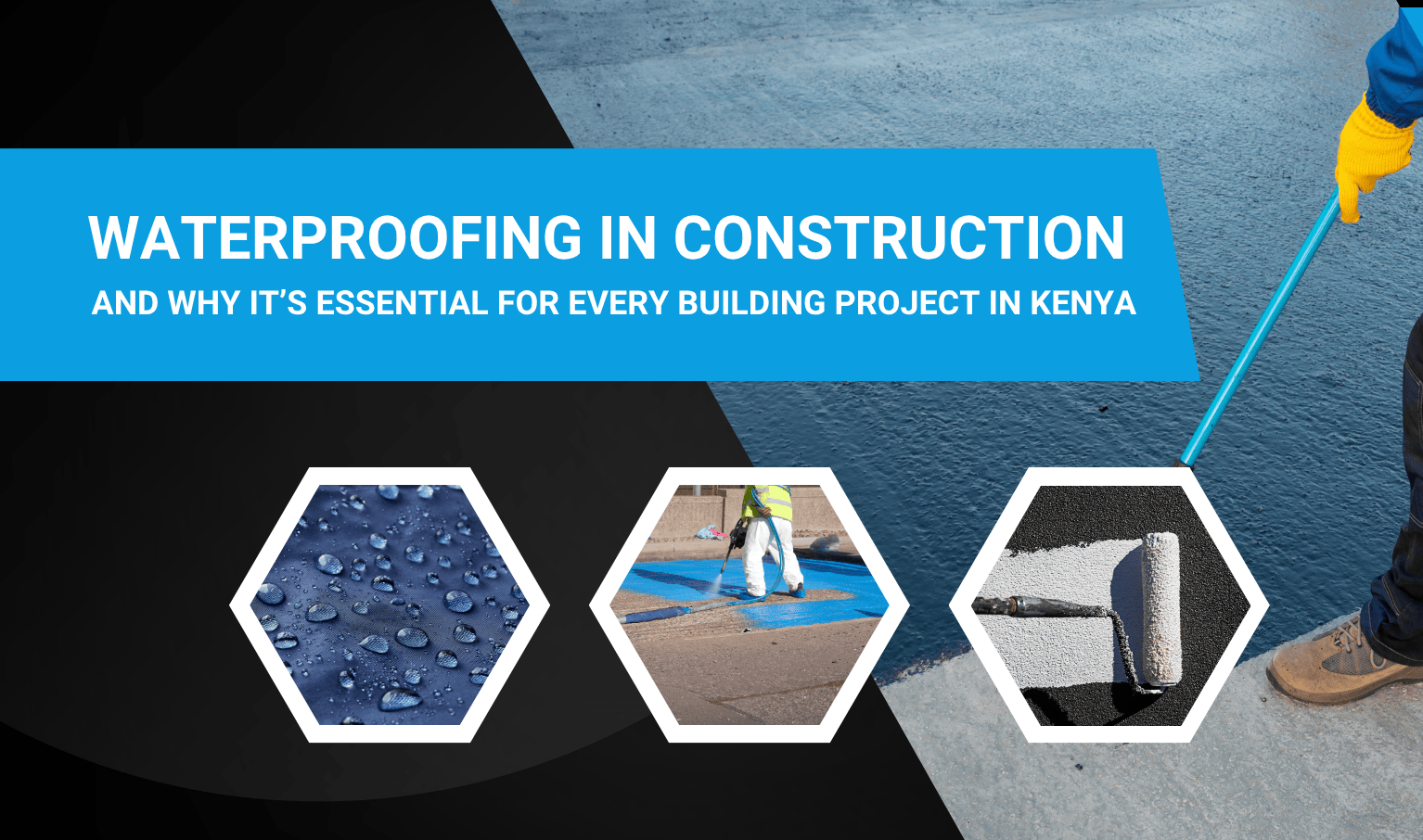
    Waterproofing In Construction And Why It’s Essential for Every Building Project in Kenya

    Waterproofing in construction in Kenya is one of the most critical but often overlooked steps in building durability. Whether you’re putting up a residential home, a commercial complex or an industrial facility, ensuring that your structure is protected from water penetration determines how long it will last. At Pawil Ventures Ltd, we’ve seen firsthand how buildings without proper waterproofing deteriorate quickly, leading to costly repairs and reduced property value

    Understanding the Role of Waterproofing in Construction

    Waterproofing is the process of applying protective layers or materials to a structure to prevent water from penetrating and damaging it. When correctly installed, it forms a barrier between the building’s interior and external moisture ensuring the structure remains strong, stable and safe for years

    In Kenya, weather patterns are diverse. Regions like Nairobi and Kajiado experience heavy rains during specific seasons, while coastal areas face constant humidity. These climatic variations increase the risk of water-related damage to buildings that lack sufficient waterproofing protection.

    Proper waterproofing not only prevents damage but also helps maintain indoor air quality, prevents mold formation and keeps maintenance costs low. It’s a long-term investment in the health and integrity of your building.

    Common Water Related Problems in Construction

    Many property owners in Kenya underestimate how destructive water can be. The most common problems include:

    • Cracks in foundations and walls caused by water pressure or soil movement
    • Damp patches that lead to mold growth and peeling paint
    • Corrosion of steel reinforcements that weakens the building structure over time
    • Leakages from roofs, bathrooms and basements that spread quickly and damage interiors
    • Reduced insulation efficiency, leading to uncomfortable indoor environments and higher energy bills

    These problems often start small but escalate fast, especially during Kenya’s rainy seasons. Once water seeps into concrete or brickwork, the damage becomes harder and more expensive to fix which is why preventive waterproofing during construction is essential.

    Critical Areas That Require Waterproofing

    Every part of a building is vulnerable to water damage if left untreated. At Pawil Ventures Ltd, we focus on the following key areas to ensure full protection:

    • Roofs and Terraces: Constant exposure to rain and UV radiation makes roofs highly prone to cracks and leaks. We apply advanced membrane and coating systems for long-lasting protection
    • Basements and Foundations: Water naturally flows downward and can easily seep into underground structures. We use high-pressure injection grouting and foundation sealants to keep basements dry
    • Bathrooms and Wet Areas: Moisture from daily use can travel through floors and walls. Our internal waterproofing prevents dampness and leakage between rooms
    • Water Tanks and Pools: Specialized sealants ensure water retention without leaks or contamination
    • Retaining Walls and Concrete Structures: We protect against lateral water pressure using flexible coatings and drainage systems.

    Methods of Waterproofing Used in Kenya

    Over the years, the construction industry has advanced from simple cement coatings to sophisticated chemical and membrane technologies. Below are the most effective methods commonly used in Kenya many of which are part of Pawil Ventures’ standard practice:

    • Liquid Waterproofing Membrane: A thin coating applied with rollers or sprays that forms an elastic waterproof layer once dried. Ideal for roofs and terraces
    • Cementitious Waterproofing: Commonly used in bathrooms, water tanks, and internal wet areas. It’s easy to apply and bonds well with concrete
    • Bituminous Coating and Membrane: Highly durable and flexible; suitable for foundations, retaining walls, and basements
    • Polyurethane Liquid Membrane: Offers superior flexibility and resistance to weathering, ideal for exposed surfaces
    • Crystalline Waterproofing: Used to fill micro-cracks in concrete, blocking water paths internally

    Pawil Ventures Ltd tailors each waterproofing method depending on project needs, site conditions and long-term performance requirements.

    Why Waterproofing Is Crucial for Kenyan Buildings

    The importance of waterproofing in Kenya cannot be overstated. Here’s why every developer, homeowner and contractor should prioritize it:

    • Prevents Structural Deterioration: Water weakens materials over time, causing cracks and corrosion that compromise building integrity
    • Extends Building Lifespan: Proper waterproofing ensures your property lasts decades without major repairs
    • Reduces Maintenance Costs: Waterproofed structures require less repainting, plastering, or repair after rainy seasons
    • Improves Property Value: A dry, durable building is more appealing to buyers and tenants
    • Enhances Comfort: No damp smells, mold, or leaking ceilings – just a clean, healthy environment

    Case Example: Roof Waterproofing Project by Pawil Ventures Ltd

    In a recent commercial project in Kitengela, Pawil Ventures Ltd was contracted to fix recurring roof leaks that had caused significant interior damage. The building’s prior contractor had used basic cement coating, which cracked after a few rainy seasons

    Our team performed a detailed site inspection, identified water entry points, and applied a multi-layer liquid membrane waterproofing system. Within days, the leaks were permanently sealed. The client not only saved on repair costs but also improved the building’s insulation and aesthetics

    Today, that property stands as one of the most durable commercial structures in the area — proof of how proper waterproofing saves time, money, and stress

    Signs That Your Building Needs Waterproofing

    Wondering if it’s too late to waterproof? Watch out for these signs:

    • Damp or discolored patches on walls or ceilings
    • Peeling paint or powdery white deposits (efflorescence)
    • Visible cracks or bulging plaster
    • Musty smell or mold growth indoors
    • Water seepage after heavy rains

    If you notice any of these, don’t wait. Contact Pawil Ventures Ltd for a professional inspection and customized waterproofing solution before the damage worsens.

    Why Choose Pawil Ventures Ltd for Waterproofing in Construction Kenya

    With years of experience in the Kenyan construction industry, Pawil Ventures Ltd stands out as a trusted name in waterproofing and civil works. Our team blends technical expertise with top-grade materials to ensure every project meets international standards.

    Our advantages include:

    • Expert team of engineers and certified applicators
    • Use of high-performance waterproofing products
    • Customized solutions for residential, commercial, and industrial sites
    • Comprehensive after service inspections and maintenance
    • Transparent project timelines and competitive pricing

    Whether it’s a new project or a renovation, we deliver reliable waterproofing solutions that stand the test of time

    Tips to Maintain Waterproofed Surfaces

    Once waterproofing is complete, maintenance is equally important. Here’s how to keep your structure protected year-round:

    • Inspect roofs and terraces every 6 months for cracks or weak spots
    • Ensure drainage systems are unclogged to prevent standing water
    • Recoat exposed surfaces every few years as recommended by your contractor
    • Schedule regular waterproofing audits for high traffic areas like basements and bathrooms

    Pawil Ventures Ltd offers affordable maintenance packages to help clients extend the lifespan of their waterproofing systems

    Conclusion

    Waterproofing isn’t an optional add-on, it’s a structural necessity. By integrating proper waterproofing during construction, developers and homeowners in Kenya can prevent damage, enhance durability and maintain property value for years to come

    At Pawil Ventures Ltd, we specialize in delivering end to end waterproofing solutions tailored to Kenya’s climate and construction standards. From foundations to rooftops, we make sure your investment remains safe and solid.

    Contact us today to learn more about our waterproofing in construction Kenya services:

  • Strategic Material Procurement in Kenya: How Savvy Home-Builders and Investors Cut Costs & Build Value (2025 Playbook)

    Strategic Material Procurement in Kenya: How Savvy Home-Builders and Investors Cut Costs & Build Value (2025 Playbook)

    Strategic Material Procurement Kenya is key for homebuilders and investors to control costs and ensure long-term value. Materials often account for over 60% of a build’s cost, and rising prices for cement, steel, and other inputs make smart procurement essential. This 2025 playbook highlights data-driven strategies tailored to Kenyan construction realities.

    Strategic Material Procurement Kenya: 2025 Market Snapshot

    • Residential construction in Kenya in 2025 starts at KES 54,730 per m² for standard bungalows and rises to KES 97,730 per m² for luxury maisonettes. (integrum.co.ke)
    • Construction input price indices show quarry products, sand, and cement increased by 1.15% in Q1 2025 compared to the previous quarter. (knbs.or.ke)
    • Rising cement prices are a major contributor to cost escalation in Kenyan projects. (cemnet.com)
    • Procurement cost-management research in Kenya found cost-saving strategies in procurement positively affect project performance (β = 0.184, p < 0.001). (scirp.org)

    Investor Insight: These figures set the baseline — without Strategic Material Procurement Kenya, you risk overspend. With it, you gain supply-chain advantage and higher ROI.

    Four Pillars of Strategic Material Procurement Kenya

    1. Data-Driven Supplier Selection: Build a supplier scorecard: price history, delivery reliability, past project quality, and regional availability. Use Kenyan cost benchmarks to compare quotes before committing.
    2. Market Timing & Bulk Strategies: Lock in early purchases of long-lead items (cement, steel) when markets are stable. Stage significant orders ahead of finishing phases to avoid market spikes.
    3. Delivery & Logistics Optimization: Coordinated deliveries, pooled transport for small projects, and secure storage facilities can cut 5–7% off total material waste.
    4. Quality Assurance & Lifecycle Value: Beyond price, quality determines lifetime cost. Verified supplier documentation and site testing protect your asset and ensure true value for investors.

    Case Example: Strategic Material Procurement Kenya for a Mid-Range Nairobi Home

    Scenario: A 150 m² home in Nairobi with mid-range finishes, projected cost at KES 70,000 /m² = KES 10.5 M.

    Procurement Optimization:

    • Bulk cement order negotiated at 6% below market average.
    • Verified local steel supplier reduced 3% wastage.
    • Phased deliveries cut theft and damage losses by 2%.

    Outcome: ~KSh 610,000 saved (~5.8%) — a margin that boosts ROI or allows finish upgrades without exceeding the original budget.

    Why Strategic Material Procurement Kenya Matters for Investors & Developers

    • Cost savings directly improve profit margins or allow more competitive selling prices.
    • Procurement transparency enhances investor and lender confidence in project management.
    • Supply reliability keeps projects on schedule, reducing financing costs from delays.
    • Quality sourcing supports higher resale and rental values, ensuring long-term investment resilience.

    Key Takeaways

    Effective procurement isn’t just about cutting costs — it’s about building sustainable value. By combining data insights, early supplier engagement, logistics control, and quality assurance, Kenyan homebuilders and developers can achieve real efficiency gains while safeguarding their investments.

    FAQ

    Q1. What procurement savings are realistic for Kenyan builds?

    Savings of 5–10% (or more) are achievable through strategic sourcing, supplier vetting, and logistical optimization.

    Q2. Does this strategy only work for large developers?

    No. Even smaller homebuilders benefit from structured Strategic Material Procurement Kenya planning — it scales effectively.

    Q3. How do I benchmark supplier quotes in Kenya?

    Use current per-m² cost data and request transparent quotations with item breakdowns before selecting vendors.

    Q4. How much does poor material quality cost later?

    Rework, leaks, or weak structures can double long-term maintenance costs — a risk avoided with verified suppliers.

    Q5. What should investors look for in procurement when reviewing a project?

    Transparent sourcing records, quality certificates, schedule adherence, and supplier performance data are key indicators of sound project management.


    📞 Contact Us | 🌐 Follow us on Facebook

  • Top 5 Preventive Building Maintenance Strategies in Kenya That Save You Millions (2025 Guide)

    Top 5 Preventive Building Maintenance Strategies in Kenya That Save You Millions (2025 Guide)

    A building’s journey doesn’t end when the last brick is laid — it truly begins there. Over time, every surface and structure faces Kenya’s harsh weather conditions: sun, rain, humidity, and natural wear. Without a proper maintenance plan, small imperfections can evolve into major structural failures.

    That’s why Pawil Ventures Ltd stands at the forefront of preventive building maintenance in Kenya. We help property owners, developers, and facility managers protect their investments through expert care that enhances longevity and performance.

    In this guide, you’ll discover five preventive maintenance strategies that keep your building strong, safe, and profitable for years.

    1. Scheduled Inspections – The Foundation of Preventive Maintenance

    Why Building Inspections Are Crucial in Kenya’s Climate

    Kenya’s tropical and semi-arid environments can be unforgiving to buildings. From coastal humidity to highland temperature shifts, every change affects your structure. Routine inspections act as your property’s early warning system, identifying weak points before they worsen.

    Comprehensive Inspection Checklist

    • Roofing and drainage systems for leaks and clogging
    • Basement walls and slabs for water seepage or cracks
    • Structural walls (interior and exterior) for movement or fissures
    • Plumbing and electrical joints for corrosion or leaks
    • Paint and coatings for wear, peeling, and fading

    Ideal Inspection Frequency for Different Building Types

    • Residential: every 6–12 months
    • Commercial: every 3–6 months
    • Industrial: quarterly inspections recommended

    2. Servicing Waterproofing Membranes – Your First Line of Defense

    Common Waterproofing Challenges in Kenya

    Rainwater and ground moisture are silent destroyers. Nairobi’s seasonal rains, combined with poor drainage in some developments, often lead to basement leaks, ceiling dampness, and wall cracks. Neglecting waterproofing can invite mold, rust, and even foundation instability.

    Pawil Ventures’ Proven Waterproofing Process

    1. Conduct moisture and leak testing
    2. Reseal overlaps, joints, and corner points
    3. Repair membrane punctures and blisters
    4. Reinforce stress areas like rooftops, balconies, and basements

    3. Regular Re-Coating and Painting – Shielding Your Building from Nature

    Paint isn’t just cosmetic; it’s protective armor. Quality coatings shield your property from rain, dust, and UV rays, ensuring surfaces stay smooth and water-resistant.

    4. Early Interventions – Small Fixes, Big Savings

    A small leak today could cost millions tomorrow. Preventive actions can lower repair costs by up to 70% while extending your building’s lifespan.

    5. Preventive Maintenance vs Reactive Repairs

    Preventive maintenance eliminates hidden threats before they disrupt daily use. It keeps systems running smoothly, reduces downtime, and enhances safety — all while saving substantial repair costs.

    Why Pawil Ventures Ltd Is Kenya’s Trusted Maintenance Partner

    We deliver a full range of building care services:

    • Scheduled inspections
    • Waterproofing servicing
    • Surface re-coating
    • Early repair interventions

    Our mission is to protect your investment through proactive, sustainable maintenance practices. From Nairobi to Kiambu and Kitengela, Pawil Ventures Ltd is trusted by developers, homeowners, and facility managers for excellence and reliability.

    Frequently Asked Questions (FAQs)

    1. What is preventive building maintenance? It’s a proactive process that involves regular inspections and servicing to prevent damage or system failure.
    2. Why should I service my waterproofing membrane? It prevents water leaks, corrosion, and mold that weaken the structure over time.
    3. How often should I inspect my building? Homes: every 6–12 months. Commercial buildings: every 3–6 months.
    4. What are signs that my building needs re-coating? Peeling paint, faded walls, or visible cracks are early warning signs.
    5. Is preventive maintenance cost-effective? Yes. It can cut repair costs by up to 70% and improve your property’s market value.
    6. What’s included in Pawil Ventures’ maintenance plan? Inspections, waterproofing service, repainting, moisture treatment, and repairs — tailored to your building’s condition.

    Conclusion: Building the Future with Confidence

    Preventive maintenance is not an expense — it’s an investment in peace of mind. With Pawil Ventures Ltd, you’re assured of a partner committed to your building’s safety, aesthetics, and value.

    From inspection to intervention, every service is designed to keep your property strong, sustainable, and future-ready. Because at Pawil Ventures, we don’t just build — we protect what you build

  • Navigating Construction Permits and Building Compliance in Kenya 2025: A Complete Guide for Developers and Investors

    Navigating Construction Permits and Building Compliance in Kenya 2025: A Complete Guide for Developers and Investors

    Introduction: Why Compliance Defines Success in Construction

    In Kenya’s fast-growing real estate and construction industry, success is not only measured by architectural brilliance or material quality — it also depends on how well you comply with regulations.

    Whether you’re developing a residential apartment in Nairobi, an office block in Westlands, or a manufacturing plant in Athi River, legal compliance forms the foundation of every successful project.

    Ignoring permit requirements can easily turn a promising project into a financial nightmare — from delays and fines to demolition orders.

    At Pawil Ventures Ltd, we’ve seen firsthand that a well-managed compliance process saves developers months of frustration and millions in unnecessary costs.

    This 2025 guide walks you through Kenya’s construction regulatory landscape, step-by-step approval process, expert insights, and a Q&A section to help you keep your project legally airtight — from design to handover.

    1. Understanding Kenya’s Construction Regulatory Framework

    Kenya’s construction sector operates under several authorities, each ensuring safety, environmental responsibility, and legal compliance. Before breaking ground, familiarize yourself with the following key bodies:

    Authority Mandate Key Requirements
    County Government (Nairobi, Kiambu, Mombasa, etc.) Approves building plans, zoning, and occupancy permits Approved architectural & structural drawings, proof of land ownership
    National Construction Authority (NCA) Registers contractors and projects NCA license, project declaration form
    National Environment Management Authority (NEMA) Oversees environmental compliance Environmental Impact Assessment (EIA) report
    Board of Registration of Architects & Quantity Surveyors (BORAQS) Regulates architects & quantity surveyors Drawings stamped by registered professionals
    Engineers Board of Kenya (EBK) Regulates structural & civil engineers Structural drawings and engineer’s certificate
    Kenya Power / EPRA Electrical and solar approvals Electrical layouts and compliance certificates
    Water & Sewerage Companies Drainage and water connection approvals Drainage layout and stormwater management plan

    2. Step-by-Step Construction Approval Process

    Getting permits in Kenya can feel complex, but with a clear roadmap, it becomes manageable.

    1. Pre-Design Consultation: Visit the County Physical Planning Office to confirm zoning, plot ratios, and development limits.
    2. Design Documentation: Have your architect and engineer prepare and stamp drawings — only professionals registered under BORAQS and EBK can legally sign plans.
    3. County Plan Submission: Submit all required documents through your county’s online e-Construction Permit System.
    4. NEMA Approval: For large or environmentally sensitive projects, submit an Environmental Impact Assessment (EIA).
    5. NCA Project Registration: Register your project with the National Construction Authority before any site work.
    6. Utility Approvals: Get Kenya Power, water, and sewerage approvals early.
    7. Site Inspections and Occupancy Certificate: After completion, you’ll receive an Occupation Certificate (O.C.) — your final green light to occupy or sell.

    3. Common Challenges Developers Face — and How to Overcome Them

    Challenge Impact How to Solve It
    Delayed Approvals Project delays and cost overruns Work with an experienced consultant familiar with each authority’s process
    Unregistered Professionals Rejected plans Verify architect and engineer credentials with BORAQS/EBK
    Changing Regulations Redesign costs Stay updated through professional associations
    Overlapping Jurisdictions Conflicting approvals Get written clarifications from county and NEMA early
    Corruption & Informal Shortcuts Legal penalties or demolition Always follow official channels — integrity protects your investment

    4. Financial Implications of Non-Compliance

    Violation Consequence
    Unapproved Building Plans County demolition or stop-work notice
    No NCA Registration Heavy fines and suspension
    No EIA Certificate Legal prosecution
    Unlicensed Contractor Liability and poor workmanship
    Missing Occupancy Certificate Property can’t be sold, leased, or insured

    Compliance is cheaper than correction.

    5. Benefits of Proper Compliance

    • Faster approvals and smoother inspections
    • Financial credibility for bank financing
    • Higher market value for buyers and tenants
    • Legal protection from penalties or demolition
    • Environmental sustainability that aligns with Vision 2030

    6. Expert Insights from Pawil Ventures Ltd

    At Pawil Ventures Ltd, we’ve managed compliance for dozens of projects in Nairobi, Kiambu, and Machakos — helping clients avoid delays and penalties.

    Our Professional Advice:

    • Start documentation early — even before final design.
    • Allocate 2–3% of total project cost for approvals and documentation.
    • Coordinate your architect, QS, and engineer early to avoid conflict.
    • Go digital — Kenya’s e-Permit and NCA systems reduce paperwork.
    • Maintain all records — including stamped drawings and inspection logs.

    A proactive approach ensures your project stays legally and structurally sound.

    7. The Role of Technology in Streamlining Compliance

    Technology is reshaping how permits are managed. Kenya’s shift to digital construction governance has made compliance faster, more transparent, and traceable.

    Innovations in 2025:

    • Nairobi’s e-Construction Permit System
    • GIS-based zoning verification tools
    • Online NCA Project Registration Portal
    • Drone-based inspections for site verification
    • AI-driven document validation and tracking

    These tools support Kenya’s Vision 2030 Smart Governance Agenda, saving time, cutting corruption, and ensuring fair approvals for all.

    8. How Pawil Ventures Simplifies Your Compliance Journey

    Pawil Ventures Ltd goes beyond construction — we help you plan, document, and execute projects legally and efficiently.

    Our Compliance Support Includes:

    • Full documentation review and submission
    • Liaison with County, NCA, and NEMA officials
    • Preparation of EIA and compliance reports
    • Supervised construction for legal and technical integrity
    • Coordination of inspections and final certification

    We ensure every Pawil Ventures project stands on structural strength, legal approval, and professional trust.

    💬 Frequently Asked Questions (Q&A)

    Q1: How long does building approval take in Kenya?
    Most counties take 4–8 weeks depending on project size and document completeness. Digital submissions via e-permit portals are usually faster.

    Q2: Is an Environmental Impact Assessment (EIA) required for all projects?
    No. Only medium and large-scale projects — such as apartments, commercial centers, or developments above 0.5 acres — require an EIA approval.

    Q3: What happens if I start construction without an NCA registration?
    The NCA can issue a stop order, impose fines, or blacklist your contractor. Always register before breaking ground.

    Q4: Who issues the Occupancy Certificate (O.C.)?
    Your respective County Government issues it after verifying that your project meets all safety, structural, and environmental standards.

    Q5: Can I apply for permits online?
    Yes — most urban counties like Nairobi, Kiambu, and Mombasa use digital systems where you can submit plans, pay fees, and track progress online.

    Q6: What are the most common mistakes developers make?
    Late documentation, using unregistered professionals, and ignoring zoning restrictions are the top causes of project delays and penalties.

    Q7: How can Pawil Ventures help with compliance?
    We handle all stages — documentation, NCA registration, EIA preparation, and inspection coordination — ensuring your project runs smoothly and stays legally sound.

    Conclusion: Build Smart, Build Right

    Kenya’s 2025 construction landscape is full of opportunity — but only for developers who follow the law and adopt modern compliance systems.

    With the right professional support, your project can move from concept to completion without delays or disputes.

    At Pawil Ventures Ltd, we don’t just build — we ensure your investment is protected, compliant, and future-ready.

    Pawil Ventures Ltd — Building the Future.

  • Smart Home Systems in Kenya 2025: The Future of Secure, Efficient and Connected Living

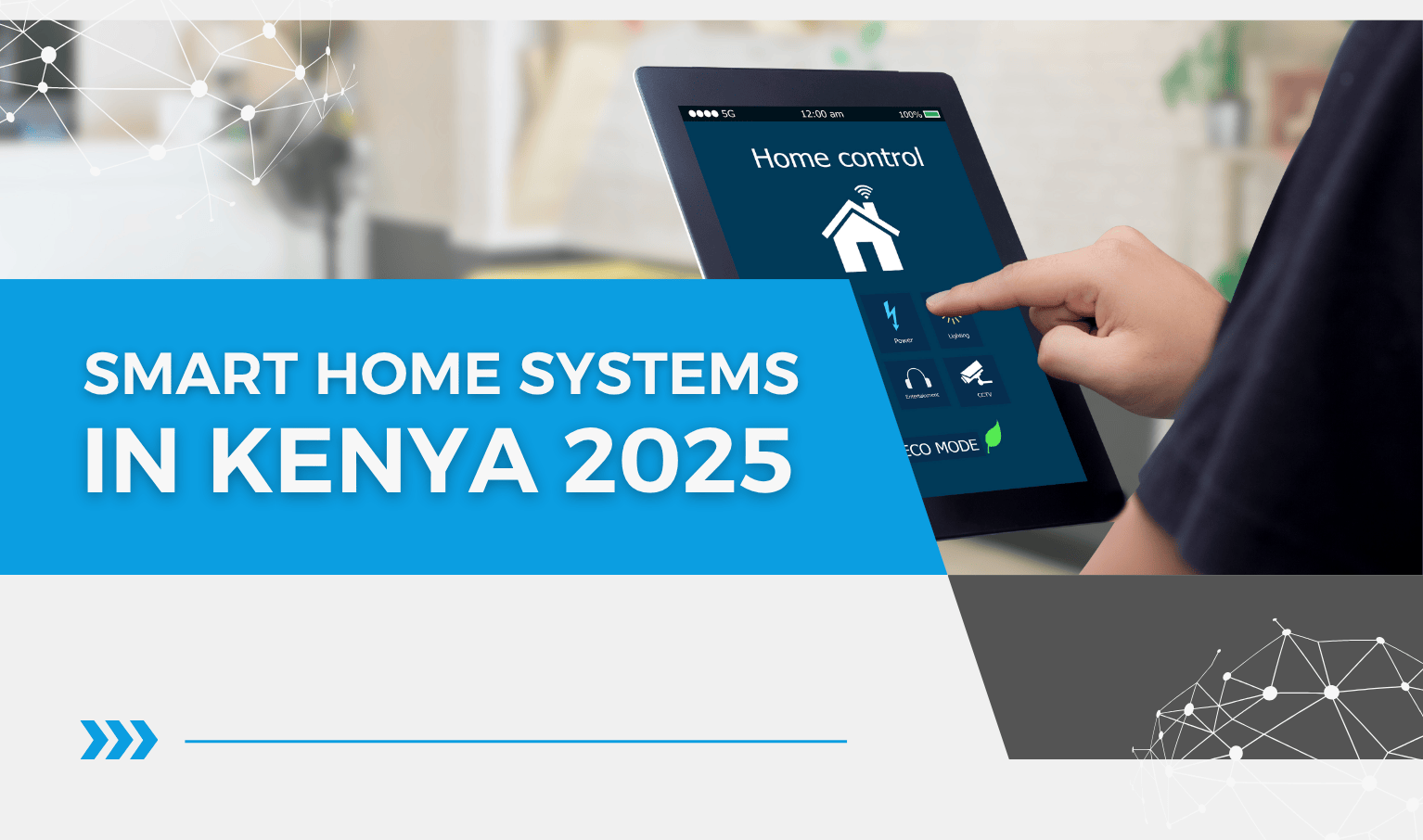
    Smart Home Systems in Kenya 2025: The Future of Secure, Efficient and Connected Living

    Introduction

    Kenya’s housing market is changing fast. Homeowners are no longer just looking for a roof over their heads – they want modern, secure, and energy-efficient homes that make life easier. Smart home systems, once considered a luxury, are now becoming mainstream across Nairobi, Mombasa, Kisumu, Nakuru, Eldoret, Kitengela, and other fast-growing towns. In this guide, we’ll explore smart home solutions available in Kenya, their benefits, affordability, and how   is helping homeowners transition to smarter living.

    Why Kenyan Homeowners Are Moving Towards Smart Homes

    ✔ Rising security concerns in urban estates and gated communities.

    ✔ Frequent power outages and the need for solar + backup integration.

    ✔ High electricity bills that demand energy-efficient systems.

    ✔ Busy lifestyles that require convenience and remote home control.

    Smart Home Solutions in Kenya

    1. Smart Security Systems

    CCTV cameras, smart locks, video doorbells, and motion sensors allow homeowners to monitor and control access from anywhere. Whether in Nairobi or Mombasa, homeowners can now get real-time alerts directly on their phones.

    2. Smart Lighting & Energy Control

    Smart bulbs, switches, and plugs enable homeowners to schedule, dim, or control lights and devices remotely. These systems cut electricity bills by up to 30% and enhance convenience.

    3. Smart Climate Control

    Air conditioners, fans, and water heaters can now be automated for comfort while reducing energy use.

    4. Smart Solar Integration

    Kenya’s sunny climate makes solar-smart homes a reality. Solar panels integrated with smart inverters and battery storage allow energy monitoring and automated switching between solar and grid power.

    5. Smart Appliances

    From refrigerators to washing machines, appliances are now IoT-enabled, giving homeowners full control over daily routines.

    Are Smart Homes Affordable in Kenya?

    Many homeowners assume smart homes are only for the wealthy. This is no longer true. Entry-level automation systems start from as low as KES 20,000, while premium systems for luxury estates can cost several hundred thousand shillings. The good news is that smart systems are modular – you can start small and scale up as your budget allows.

    Where Are Smart Homes Popular in Kenya?

    Smart home adoption is growing fastest in Nairobi estates such as Karen, Runda, Kilimani, and Syokimau. Other cities such as Mombasa, Kisumu, Nakuru, Eldoret, Thika, and Kitengela are also experiencing rising demand, especially in gated communities and new developments.

    Frequently Asked Questions (FAQs)

    Are smart homes only for the rich in Kenya?

    No. Affordable entry-level automation exists. You can start with a smart lock or lighting system and expand gradually.

    Do smart systems work without WiFi?

    Yes. Some devices use Bluetooth or Zigbee hubs to function offline, ensuring continuity even when internet is down.

    Can old houses be upgraded to smart homes?

    Yes. Retrofitting solutions allow existing houses to be upgraded without major structural changes.

    Which smart systems are most popular in Kenya?

    Smart CCTV, lighting control, and solar integration are among the fastest-growing categories.

    Conclusion & Call to Action

    Smart homes are no longer the future – they are the present. With rising security needs, high energy costs, and a demand for convenience, Kenyan homeowners are embracing automation more than ever. Whether you are building a new home in Nairobi, renovating in Kisumu, or upgrading your apartment in Mombasa,   provides tailored smart home solutions that fit your needs and budget.

    Contact   Pawil Venture LTD today at   or visit   to request a quotation and start your journey towards smarter living.

  • Affordable Construction in Kenya 2025: Costs & Trends

    Affordable Construction in Kenya 2025: Costs & Trends

    Planning to build in 2025? This guide gives realistic cost factors, the top 2025 construction trends in Kenya, a simple permit checklist (county approvals & NCA) and an end-to-end contractor selection plan so you build smart and stay on budget

    1. Quick summary — what this guide will give you

    • Main cost factors for common house types and what influences the price
    • Top trends shaping affordable construction in Kenya for 2025
    • Permit & compliance checklist (NCA and county approvals)
    • Concrete steps to choose a contractor and a free BOQ checklist you can request from contractors

    2. Honest cost guide – what you can expect in 2025

    Construction costs vary by location, finishes and procurement strategy. Instead of relying on generic figures, homeowners should focus on factors that influence costs such as materials, labor, approvals and project complexity. A proper Bill of Quantities (BOQ) remains the best tool for accurate budgeting

    • Starter homes

    Basic finishes, simple layouts and local materials make these houses the most affordable

    • Family homes

    Standard finishes, concrete frame and some landscaping cost depends heavily on design choices

    Note: Imported materials, premium finishes, or complex structural systems push budgets higher. Always request a full BOQ and add a contingency allowance to avoid surprises

    3. Top construction trends affecting cost & speed in Kenya (2025)

    • Prefab & modular methods: Faster on-site completion and reduced labor overheads
    • Green materials & solar-ready design: Higher upfront but long-term savings on energy and maintenance
    • Digital project management: 3D designs and basic BIM tools reduce rework and unexpected costs
    • Local supply chain diversification: More Kenyan-made options reduce import delays and costs

    4. Permits & compliance checklist (must-do before construction)

    • County planning & building approvals (from your local county office)
    • Architectural drawings signed by a registered architect
    • NCA registration of your contractor (verify on the official portal)
    • Environmental approvals where needed (NEMA for larger projects)
    • Wayleave approvals for utility connections

    5. How to choose the best contractor — step-by-step

    • Step 1: Ask for NCA registration + tax compliance
    • Step 2: Portfolio & references — check workmanship and visit past projects
    • Step 3: Request a full BOQ and phased payment schedule
    • Step 4: Contract & warranties — define scope, timelines, retention, and liability period

    6. Practical example — how a good BOQ saves money

    Scenario: Two contractors bid on the same project. One provides a vague estimate, while the other presents a detailed BOQ. The BOQ contractor stays within budget, while hidden costs appear in the vague bid. The lesson: the cheapest initial quote is rarely the cheapest overall

    Affordable Construction in Kenya 2025: Costs & Trends

    Frequently Asked Questions

    How much does it cost to build a standard 3-bedroom house in Kenya in 2025?

    Costs vary depending on finishes, location and complexity. Always request a BOQ for an accurate breakdown

    What paperwork do I need before starting construction?

    County approvals, architectural drawings, NCA verification, and environmental screening where applicable

    Can I reduce costs by using local materials?

    Yes  sourcing locally reduces shipping delays and may cut costs, but durability and warranty checks are essential


    Book a free consultation With Pawil Ventures Today

    Follow us on Facebook

  • Best Waterproofing Products in Kenya 2025

    Best Waterproofing Products in Kenya 2025

    Introduction

    Waterproofing is one of the most important aspects of construction in Kenya. Without it, walls, roofs and foundations can easily be damaged by water and moisture, leading to costly repairs and structural weaknesses.

    In 2025, builders, homeowners and contractors are searching for the best waterproofing products in Kenya that balance cost, durability and availability.

    The big question remains:

    Should you buy affordable local waterproofing products or invest in durable imported ones?

    This comprehensive guide compares the two, highlights top waterproofing methods, gives expert tips and even lists the top waterproofing companies in Kenya to help you make the best decision.

    Local Waterproofing Products in Kenya 2025

    Local manufacturers produce a wide range of waterproofing products specifically designed for the Kenyan climate and construction needs.

    Examples of Local Waterproofing Products

    • Cementitious waterproofing compounds – mixed with cement to seal walls and floors.
    • Bitumen-based coatings – commonly used on roofs, basements, and water tanks.
    • Concrete admixtures – added during mixing to reduce water absorption and enhance durability.

    Advantages of Local Waterproofing Products

    • Affordable: Generally cheaper than imported brands.
    • Readily available: Easy to find in hardware stores across the country.
    • Tailored to local climate: Designed to perform well in both rainy and hot seasons.

    Disadvantages

    • Quality inconsistency: Some brands may not maintain the same standards.
    • Shorter lifespan: May require re-application sooner compared to premium imported options.

    Imported Waterproofing Products in Kenya 2025

    Imported waterproofing products are preferred for high-end residential projects, commercial buildings and infrastructure developments that require advanced protection.

    Examples of Imported Waterproofing Products

    • Liquid waterproofing membranes: Flexible coatings applied with a brush or spray for walls and decks.
    • Polyurethane sealants: Ideal for roof decks, balconies, and wet areas like bathrooms.
    • Advanced bitumen sheets: High-tech, durable sheets for roofs and basements.

    Advantages of Imported Waterproofing Products

    • High quality: Manufactured with advanced international technology.
    • Durable: Lasts longer, reducing the need for frequent re-application.
    • Variety: Offers specialized solutions for different construction challenges.

    Disadvantages

    • Higher cost: More expensive due to import duty, shipping, and brand premiums.
    • Limited availability: May be harder to find outside Nairobi, Mombasa, and Kisumu.

    Three Benefits of Waterproofing

    • Prevents Structural Damage: Protects walls, roofs, and foundations from water infiltration.
    • Reduces Repair Costs: Minimizes frequent maintenance expenses by stopping leaks early.
    • Improves Property Value: Makes homes and commercial buildings more appealing to buyers and tenants.

    The Different Methods of Waterproofing

    Waterproofing is essential in every part of a building exposed to moisture, such as basements, bathrooms, kitchens, balconies, terraces, green roofs, water tanks and swimming pools.

    1. Cementitious Waterproofing

    One of the easiest and most common waterproofing methods in Kenya. Materials are widely available and simple to apply.

    Applications: Bathrooms, kitchens, water tanks, internal wet areas.
    Advantage: Affordable and perfect for enclosed spaces.

    2. Liquid Waterproofing Membrane

    Uses a liquid coating that cures into a flexible, rubber-like layer.

    Applications: Balconies, terraces, roof decks.
    Key Benefit: Seamless, flexible, and long-lasting protection.

    3. Bituminous Coating (Asphalt Coating)

    A protective layer made from bitumen-based materials, ideal for foundations and basements.

    Applications: Underground structures, wet screed areas.
    Advantage: Cost-effective and excellent for moisture resistance.

    4. Bituminous Membrane Waterproofing

    Used for flat roofs and commercial projects where water pooling is common.

    Applications: Flat roofs, industrial buildings, water tanks.
    Advantage: Extremely durable and weather-resistant.

    Points to Consider Before Waterproofing

    • Type of structure: Residential, commercial, or industrial require different approaches.
    • Climate conditions: Heavy rainfall areas need more robust solutions.
    • Budget: Choose between affordable local or high-performance imported products.
    • Supplier credibility: Buy only from licensed suppliers.
    • Contractor expertise: Skilled professionals ensure correct application.

    Tips for Choosing the Best Waterproofing Products in Kenya

    • Assess your budget – Local is cost-effective, imported is premium.
    • Match product to project size – Don’t overspend on small projects.
    • Focus on durability – Consider long-term performance.
    • Buy from trusted suppliers – Avoid counterfeit products.
    • Consult a waterproofing expert – Get professional advice.

    FAQs

    Q1: What are the best waterproofing products in Kenya in 2025?
    A1: Liquid waterproofing membranes and cementitious coatings are among the most effective options.

    Q2: Are imported waterproofing products better than local ones?
    A2: Imported products usually last longer, but high-quality local brands are improving rapidly.

    Q3: How much does waterproofing cost in Kenya?
    A3: Costs vary depending on type and supplier.

    Q4: Where can I buy waterproofing products in Kenya?
    A4: Major hardware stores, distributors in Nairobi, Mombasa, Kisumu, and online platforms like Jiji and Jumia.

    Conclusion

    In 2025, choosing the right waterproofing products in Kenya depends on budget, project type, and durability needs. Local products are affordable and accessible, while imported options offer advanced technology and long-lasting performance.

    For the best results, always buy genuine products from trusted suppliers and hire skilled contractors to apply your waterproofing solution.

    Contact us or follow us on Facebook